February 25, 2026
Residential And Commercial Contractor

The psychological thrill Understanding the effects of gambling on the mind
The psychological thrill Understanding the effects of gambling on the mindThe Allure of Gambling
The excitement of gambling draws many individuals into its enticing world. The thrill of risking money for the chance to win big can be exhilarating. This feeling stems from the brain’s reward system, which releases dopamine—a neurotransmitter linked to pleasure—whenever someone experiences a win, no matter how small. These small victories can lead to a cycle of seeking more, often causing individuals to gamble more than they initially intended. As you explore your options, consider some of the best online casinos in australia to enhance your experience.
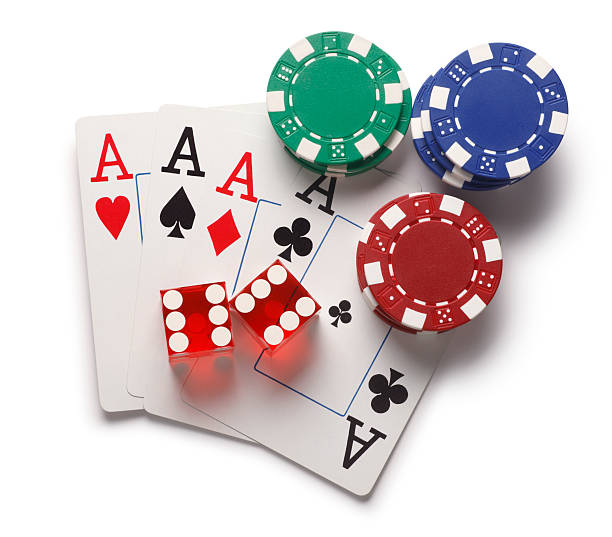
This psychological phenomenon can create an addictive environment, where the anticipation of winning overshadows the reality of loss. People might find themselves caught up in this cycle, believing that the next game could be the one that changes everything. Such a mindset can lead to significant emotional turmoil, as the highs of winning become closely intertwined with the lows of losing, affecting overall mental health.
Luck vs. Skill: The Dichotomy of Gambling
One of the most debated aspects of gambling is the balance between luck and skill. Many games, such as poker, involve a significant degree of skill, requiring strategy and psychological acumen. Conversely, games like slot machines rely entirely on chance, creating a different psychological experience. Players often overestimate their skill in games of chance, believing they can influence outcomes through intuition or strategy, which can lead to reckless behavior and increased gambling. This belief can really heighten the excitement in players.
This belief in skill can enhance the psychological thrill of gambling, as individuals feel a sense of control. However, when the inevitable losses occur, it can result in frustration and denial. Understanding this dynamic is crucial, as it highlights the need for awareness of how cognitive biases can skew perceptions of gambling, often leading to problematic behaviors.
The Emotional Rollercoaster of Gambling
Gambling can evoke a wide range of emotions, making it a unique psychological experience. The highs of winning can lead to feelings of euphoria, while losses can result in anxiety, regret, or even despair. This emotional rollercoaster can be addictive in itself, as players chase the thrill of winning and try to recapture those euphoric moments. Over time, the emotional impact can lead to significant stress and anxiety, affecting personal relationships and overall well-being.
Moreover, the social aspect of gambling adds another layer to this emotional experience. Engaging with others, whether in a casino or online, can enhance the thrill but also complicate emotional responses. As individuals bond over shared experiences, they may become more inclined to continue gambling, despite negative consequences. This interconnectedness can intensify the psychological effects, creating a complex web of emotions and behaviors.
The Risks of Gambling Addiction
The allure of gambling can quickly escalate into a problematic behavior, often leading to gambling addiction. This addiction can have severe consequences, not only on the individual but also on their family and social networks. Psychological studies reveal that gambling addiction is often linked to other mental health issues, such as depression and anxiety, making recovery more challenging. The need for immediate financial relief can drive individuals to gamble irresponsibly, exacerbating their issues.
Recognizing the signs of gambling addiction is essential for prevention and intervention. Symptoms may include lying about gambling habits, neglecting responsibilities, and experiencing withdrawal symptoms when not gambling. Support networks, including counseling and support groups, play a vital role in recovery. Understanding the psychological effects of gambling can empower individuals to seek help before it’s too late.

Discovering Safe Gambling Options
For those interested in exploring gambling without falling into addiction, it is crucial to seek out safe and regulated platforms. Websites that prioritize user safety and adhere to strict regulations provide a more secure environment for players. These platforms often offer tools to help manage gambling habits, such as deposit limits and self-exclusion options, ensuring a balanced approach to gaming.
Understanding the psychological thrill behind gambling is vital for making informed choices. By familiarizing oneself with the effects of gambling on the mind, players can engage in this pastime responsibly, enjoying the excitement while mitigating the risks. Whether seeking entertainment or the thrill of winning, a conscious approach can lead to a more enjoyable and safe gambling experience.