April 30, 2026
Residential And Commercial Contractor

The psychology behind risk understanding the thrill of gambling
The psychology behind risk understanding the thrill of gamblingThe allure of risk in gambling
The thrill of gambling often lies in the allure of risk. Many individuals find excitement in the unpredictable nature of games of chance. The potential for substantial rewards, combined with the inherent uncertainty, creates an adrenaline rush that is hard to resist. This rush can be attributed to the psychological principle of arousal, where engaging in risky behavior stimulates a release of dopamine, the neurotransmitter associated with pleasure and reward. This chemical response reinforces the desire to take risks repeatedly, drawing people deeper into the gambling experience. For those interested in exploring this landscape, https://latent-prints.com/ provides valuable insights into what makes these experiences captivating.
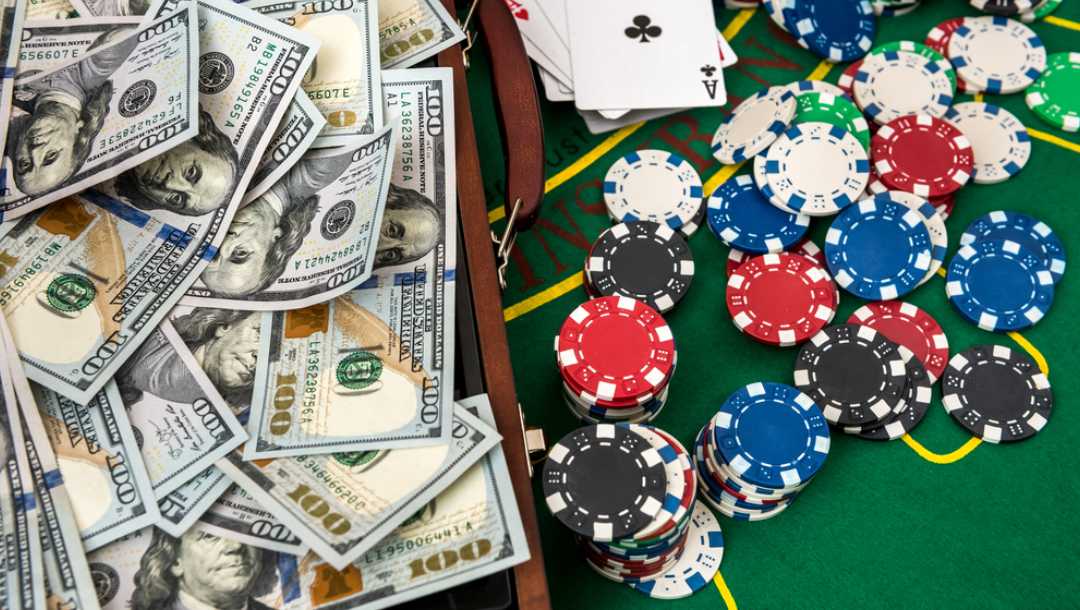
Moreover, the social context of gambling can amplify this risk-taking behavior. Casinos and online gaming environments foster an atmosphere of excitement and competition, encouraging individuals to push their limits. Peer influences can play a significant role, as people are more likely to engage in risky behaviors when surrounded by others who are also gambling. This group dynamic can enhance the thrill, making the experience more enjoyable and reinforcing the cycle of risk-taking.
The brain’s response to gambling
Gambling triggers specific responses in the brain that enhance the feeling of thrill. When individuals place bets, their brains release dopamine, creating sensations of pleasure. This neurochemical reaction reinforces gambling behavior, as players associate the act of betting with positive feelings. The anticipation of winning, coupled with the excitement of uncertainty, contributes to the overall appeal of gambling. Over time, this can condition the brain to seek out the thrill more frequently, leading to a cycle of increased risk-taking.
Neuroscientific studies have shown that the brain’s reward centers become more active in response to gambling stimuli, even in anticipation of a potential loss. This highlights the complexity of human motivation in gambling scenarios. While some might gamble for enjoyment or social interaction, others are driven by an addiction to the neurological high associated with risk-taking. Understanding this neurological basis can provide insights into why gambling is so compelling for many individuals.
Additionally, the phenomenon of “near misses” in gambling—situations where players come close to winning—can further engage the brain’s reward systems. Near misses can evoke feelings of hope and excitement, prompting players to continue gambling in pursuit of that elusive win. This cycle creates a unique psychological experience that reinforces the thrill and makes it difficult for players to walk away from the game, even in the face of significant losses.
The psychological mechanisms at play
Various psychological mechanisms contribute to the thrill of gambling, particularly cognitive distortions like the illusion of control. Players often believe they can influence the outcomes of games, despite knowing they are based on chance. This belief can heighten the excitement, as individuals feel empowered to affect the game through their actions, even when it’s statistically improbable. The illusion of control, therefore, serves to engage and excite, enhancing the overall gambling experience.
Another significant psychological factor is the concept of the gambler’s fallacy, which is the belief that past events influence future outcomes in random games. For example, players may think a slot machine is “due” for a win after a series of losses. This faulty reasoning can lead to increased betting as players chase perceived trends. Understanding this fallacy reveals how easily the human mind can be swayed by cognitive biases, further entrenching individuals in the gambling cycle.
Social factors also play a role in shaping gambling behaviors. The desire for social connection often manifests in group gambling activities, where the camaraderie can enhance the thrill. Whether it’s friends betting on a sports event or participating in a poker night, the shared experience of risk-taking can lead to stronger emotional connections and further promote gambling behaviors. This social reinforcement not only enhances the thrill but can also contribute to problematic gambling patterns if not managed carefully.
The impact of online gambling
The rise of online gambling has transformed the landscape, providing instant access to a wide variety of games. This accessibility can amplify the thrill, as players can engage in risk-taking from the comfort of their homes. The immediacy of online platforms reduces the barriers to entry and can lead to impulsive gambling behaviors. With just a few clicks, players can place bets, making it easier to lose track of time and money.
Moreover, the design of online casinos often incorporates features that heighten the thrill. Elements such as sound effects, visual cues, and gamified experiences are strategically employed to keep players engaged. These design choices not only enhance the gaming experience but also tap into the brain’s reward system, perpetuating the cycle of risk and reward. Such immersive environments can lead to prolonged gaming sessions, further increasing the potential for addiction.
However, the absence of physical presence in online gambling can also obscure the real consequences of risk-taking. Players might not feel the same emotional weight of losing money as they would in a physical casino, leading to increased risk-taking behavior. This detachment can exacerbate existing gambling problems, making it crucial for players to understand their limits and the psychological implications of online gaming.

Finding balance and understanding risks
Understanding the psychology behind gambling can help individuals find a balance between enjoying the thrill and managing risks. Awareness of cognitive biases, emotional triggers, and social influences is vital in making informed decisions about gambling. Recognizing when gambling is becoming problematic is essential to mitigate the potential for negative outcomes. Setting limits and being mindful of one’s emotional state can serve as protective factors against compulsive gambling behaviors.
Resources and support systems are available for those who find themselves struggling with gambling addiction. Many organizations offer counseling and educational programs designed to help individuals understand the psychological aspects of their behavior. Engaging with these resources can provide essential tools for maintaining healthy gambling habits and promoting a balanced lifestyle that values enjoyment without excessive risk.
For those who participate in gambling for entertainment, it is crucial to maintain a clear perspective on the risks involved. Understanding the mechanics of gambling and its psychological influences can empower individuals to make informed choices. By fostering a healthy relationship with gambling, individuals can enjoy the thrill while minimizing potential negative consequences, especially in the context of no verification casino experiences.